Disposing commercial floral waste in Paddington: legal guide
Posted on 23/09/2026
If you run a florist, event business, hotel, restaurant, or office in Paddington, floral waste has a habit of piling up faster than you expect. A few tired bouquets, some damp stems, wrapping, ribbon, box liners, and suddenly the back room feels cluttered and a bit sour. Disposing commercial floral waste in Paddington: legal guide matters because this is not just "green waste" in the casual sense. Once waste is created by a business, it needs to be handled properly, stored sensibly, and collected or removed in a way that fits your duties and your site.
This guide walks through the legal and practical side in plain English. You will see what counts as commercial floral waste, why it matters, how the process usually works in Paddington, what the real risks are, and how to stay on the right side of compliance without making the job harder than it needs to be. To be fair, most businesses do not want a lecture. They want a clear answer and a workable routine. Let's do exactly that.
Why Disposing commercial floral waste in Paddington: legal guide Matters
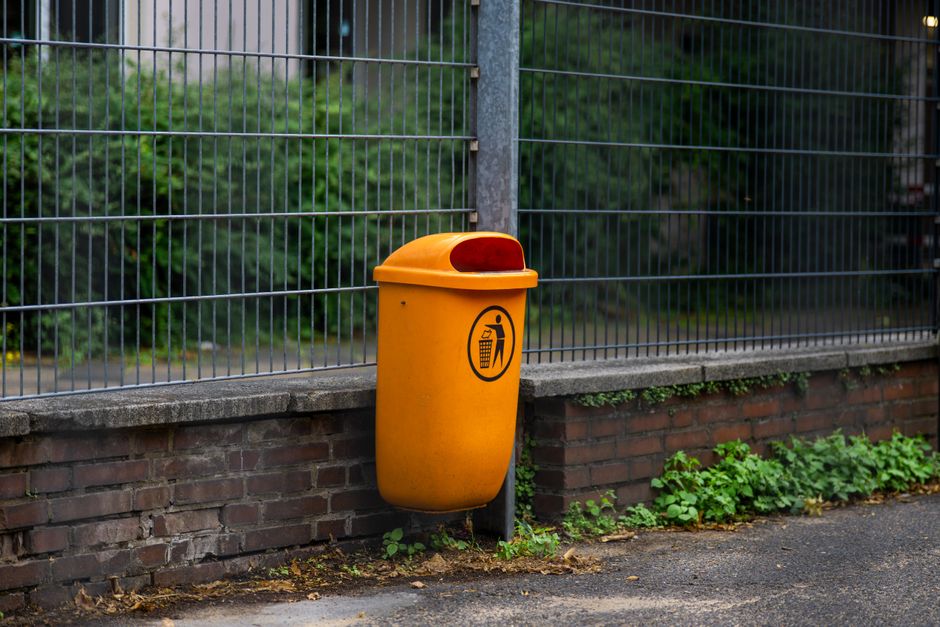
Commercial floral waste may look harmless, but once it comes from a business it sits inside a wider waste management picture. In Paddington, where premises can be compact, deliveries arrive frequently, and shared access is common, poor waste handling quickly becomes visible. You notice it in blocked stock rooms, wet cardboard, odour, flies in warm weather, and the awkward moment when a landlord, building manager, or inspector asks where it is all going.
The legal side matters because business waste is not the same as household waste. A florist pruning stems, an events team clearing a function space, or a hospitality venue binning table flowers all create trade waste. That means there are duties around storage, segregation, collection, and record-keeping. It also means you should be careful about mixing floral waste with food waste, general rubbish, or packaging if that mixture creates a problem for collection or disposal.
Paddington adds a local layer. Busy streets, limited loading space, basement storage, and shared bin areas can make waste handling feel like a puzzle. Honestly, that is where many problems start. Not with bad intent. Just with a hurried end-of-day routine and nowhere good to put the trimmings.
Practical takeaway: if floral waste is generated by your business, treat it as trade waste from the moment it is cut, removed, or replaced. Keep it contained, separated where needed, and collected through a proper arrangement.
How Disposing commercial floral waste in Paddington: legal guide Works
The basic process is simple, even if the details vary by business. First, the waste is created. That might be wilted flowers from a retail display, stems from bouquet preparation, moss, foliage, wrapping, or damaged stock from an event delivery. Then it needs sorting. Some parts may be compostable; others are not. Cellophane, plastic wraps, floral foam, ribbons, wire, tape, and labels often need separate handling.
Next comes storage. Commercial floral waste should be kept in suitable containers so it does not leak, blow around, or attract pests. If you leave damp stems in an open bag behind a shop counter, you will know about it by afternoon. The smell arrives first, then the mess.
After that, the waste is collected or removed. Depending on your setup, this may involve a private trade waste agreement, a dedicated organic waste service, or internal removal to a licensed transfer or treatment route. In some cases, businesses look at reusing or composting part of the organic material, but that only works if local rules, site conditions, and contamination levels make it genuinely suitable.
It is also worth noting that legal compliance is not only about the final destination. How you store the waste before collection matters just as much. So does whether your contractor is authorised to carry the waste, especially if they are moving it away from your premises.
Key Benefits and Practical Advantages
Good floral waste disposal is not just about avoiding trouble. It makes the day-to-day operation smoother in ways that are easy to underestimate until you fix the problem.
- Cleaner premises: less clutter, less damp residue, fewer odour issues, and a tidier workspace for staff and customers.
- Better compliance: less risk of mixing waste streams, poor storage, or using an unsuitable carrier.
- Faster close-down routines: staff know exactly what goes where, so end-of-day clear-up takes less time.
- Reduced pest attraction: sealed, managed waste is far less appealing to insects and vermin.
- Improved presentation: important if customers can see your back-of-house or if waste sits near public-facing areas.
- More sustainable practice: where the material is suitable, organic waste can often be handled more responsibly than mixed rubbish.
There is also a quieter benefit: confidence. Staff work better when they know there is a proper system, not a vague "sort it out later" situation. In busy businesses, that really helps.
Who This Is For and When It Makes Sense
This guide is relevant if your business handles flowers as stock, decoration, or event material. That includes florists, wedding planners, venues, hotels, restaurants, cafes, corporate reception teams, property managers, and market traders. It can also matter for offices that regularly receive displays or manage memorial or corporate arrangements.
It makes particular sense if any of the following sound familiar:
- You generate floral waste every day or every week.
- You have limited storage and shared bin access.
- Your waste contains a mix of organic matter and packaging.
- You want to reduce smells or visible clutter around customers.
- You need a clearer process for staff or contractors.
- You are trying to improve sustainability without taking shortcuts.
Paddington businesses often work in compact spaces, so a good waste routine is less about theory and more about survival. If your flower buckets are already competing with cardboard, deliveries, and cleaning supplies, you need a system that fits the building, not the other way round.
For businesses that also handle customer orders, it can help to think about the wider flower lifecycle. A florist managing everyday stock may want a separate routine from one managing wedding installations. If you already have a regular ordering flow through corporate accounts, a consistent waste plan becomes even more useful because the volume can rise without much notice.
Step-by-Step Guidance
Here is a practical, no-nonsense way to manage commercial floral waste properly.
- Identify the waste stream. Separate pure floral material from plastic, foam, wire, tape, and cardboard. Mixed waste is where mistakes start.
- Use designated containers. Pick bins, sacks, crates, or lidded caddies that match the volume and moisture level of the waste.
- Keep waste contained. Do not leave damp stems in open areas. Bag or bin them promptly, especially in warmer weather.
- Store it away from public areas. If possible, use a back room, yard, or screened bin store to limit odour and visual clutter.
- Decide what can be separated for organic handling. Clean stems and leaves may be suitable for one route, while foam and plastics are not.
- Arrange collection or removal. Make sure your collection method suits the type of waste and the volume you produce.
- Check your contractor or carrier. You should be comfortable that the person moving your waste is authorised and appropriate for trade waste.
- Keep basic records. Retain invoices, collection notes, and any relevant waste transfer documents if your arrangement requires them.
- Review the routine monthly. If waste is overflowing or collection days are awkward, adjust the system before it becomes a bigger issue.
A good rule of thumb: the best waste process is the one staff can follow on a tired Friday afternoon. If it only works in a perfect world, it is not much use.
Expert Tips for Better Results
Small adjustments make a surprisingly big difference. In our experience, the businesses that stay on top of floral waste usually do a few simple things well rather than trying something complicated.
- Line bins for wet waste. Damp stems and foliage can drip, so use liners that fit properly and do not split too easily.
- Keep a separate caddy for sharp waste. Florist wire, pins, and broken stems can cause small injuries if mixed into loose bags.
- Train temporary staff. Seasonal teams often need the clearest instructions. Do not assume they know the routine.
- Label the containers. A simple sign saying "flowers only" or "organics only" can prevent half the mess.
- Watch collection timing. Late collections in hot weather can create odour and hygiene headaches by the next morning.
- Measure real volume for a few weeks. Many businesses guess wrong at first. Then the bags start overflowing, which is not ideal.
A small, slightly old-fashioned trick works well too: keep a laminated one-page waste guide by the prep station. It sounds basic, but people follow what they can see.
If you already offer a wide range of arrangements, from everyday bouquets to sympathy work and event designs, look at the waste pattern by product type. Display flowers, funeral work, and wedding installations can generate very different volumes and materials. A florist with a strong product mix from all flowers and best sellers may find that busy periods need extra collection capacity, while quieter weeks do not.
Common Mistakes to Avoid
Most problems are avoidable, which is the annoying part. But also the useful part.
- Mixing everything together. Floral material, packaging, and non-organic waste are not always suitable for the same route.
- Leaving waste out overnight without control. That is how smells, pests, and complaints happen.
- Using the wrong bags. Thin liners tear, leak, and make a mess on stairwells or in shared corridors.
- Ignoring storage space. A collection arrangement is only good if the waste can be held safely before pickup.
- Forgetting staff training. One untrained person can undo a perfectly good system in a single shift.
- Assuming "green" means anything compostable can go anywhere. Not always. Contamination matters.
- Failing to check collection documentation. Paperwork is boring, yes, but it is part of the job.
One easy mistake is thinking flower waste is automatically low-risk because it is natural. Truth be told, natural waste can still be messy, heavy, and non-compliant if it is handled badly.
Tools, Resources and Recommendations
You do not need a complicated setup, but a few tools make the work much easier.
- Lidded bins or caddies: useful for containing odour and keeping waste neat.
- Heavy-duty liners: especially helpful for damp stems and mixed floral offcuts.
- Separate containers: one for organic floral waste, one for packaging, and one for sharp items if needed.
- Simple signage: labels help staff sort waste correctly without second-guessing.
- Basic log sheet: handy if you want to track collections, contamination issues, or volume changes.
- Back-of-house cleaning kit: mop, absorbent material, gloves, and sanitiser for spills.
On the product side, it can help to align your waste routine with your order pattern. A business that does steady daily deliveries may want a more frequent collection cycle, while one focused on weddings and events may need flexible short-term capacity. For example, if your floral work leans heavily into wedding arrangements, table arrangements, or wedding flowers, waste peaks can be spiky and often arrive in bursts after an event rather than gradually.
It is also worth thinking about sustainability as a practical business habit, not a branding slogan. If your waste is cleaner at source, it is easier to handle responsibly. If you want to understand how the business frames environmental practice, the sustainability page is a useful reference point for broader values and standards.
Law, Compliance, Standards and Best Practice
The legal side of business waste in the UK is built around a few common-sense principles. In plain English: your business waste should be stored safely, transferred appropriately, and kept separate enough to avoid contamination or misuse. The exact details depend on your premises, the type of waste, and the collection arrangement you have in place.
For commercial floral waste, the key compliance questions usually are:
- Is the waste clearly generated by the business rather than treated like household rubbish?
- Is it stored so it does not create a nuisance or hygiene issue?
- Is it being collected by a suitable and authorised carrier or contractor?
- Are different waste streams kept apart where that matters?
- Do you keep any required records or transfer details?
You should also think about site-specific obligations. A lease, building rule, or landlord agreement may place extra restrictions on waste storage, collection times, or access routes. In a shared London building, that can be just as important as the core waste law. A perfectly lawful waste system can still cause trouble if it blocks a corridor or disrupts another tenant.
Best practice usually means more than the minimum. It means staff know the routine, containers are suitable, waste is removed regularly, and there is a clear answer when someone asks where the waste goes. That last part sounds simple, but it matters.
If you need a broader idea of business standards, the website's terms and conditions and guarantees pages can help show how customer-facing commitments sit alongside operational discipline. Not the same thing as waste law, of course, but still part of a well-run business.
Options, Methods and Comparison Table
There is no single best disposal route for every business. The right choice depends on volume, contamination, storage space, and how much packaging is mixed in. Here is a simple comparison.
| Method | Best for | Pros | Watch-outs |
|---|---|---|---|
| Mixed general waste | Small, occasional amounts with lots of non-organic material | Simple to manage | Less sustainable, can become bulky and messy |
| Separated organic waste | Cleaner stems, foliage, and other compostable floral matter | Cleaner, often more efficient, better sustainability profile | Needs good sorting and low contamination |
| Dedicated trade waste collection | Regular business waste volumes | Predictable and compliant when managed well | Requires proper storage and scheduling |
| Event-by-event removal | Weddings, functions, and seasonal peaks | Flexible for spikes in waste | Needs planning after each event |
| Internal reuse or composting | Very clean, suitable organic material and a controlled site | Can reduce waste volumes | Not suitable for every site or every material type |
If you are a florist or event business, one practical question helps narrow it down: what proportion of your waste is actually organic floral material, and what proportion is packaging? That answer usually tells you whether a separated route is realistic or whether a mixed trade waste approach is simpler.
Case Study or Real-World Example
Consider a Paddington florist running daily retail orders, plus regular sympathy work and the occasional wedding install. On busy Fridays, the back room fills with short stems, tired bouquets, cardboard, cellophane, and ribbon offcuts. The team used to put almost everything into one bin and hope for the best. It worked, sort of, until summer arrived and the bin store started smelling musty by late afternoon.
They made three changes. First, they separated cleaner floral waste from packaging. Second, they moved to lidded containers with clearer labels. Third, they reviewed collection timing so waste did not sit through a warm weekend. Nothing dramatic. No fancy tech. Just better habits.
The result was a calmer prep area, fewer complaints from staff about smell, and a more predictable end-of-day routine. The owner also found it easier to brief new staff because the system made sense at a glance. A bit boring, maybe. But boring is excellent when waste is involved.
That same approach works for event florists too. If a wedding setup creates a large amount of offcut waste after takedown, plan the return journey in advance. It saves time, keeps the van cleaner, and avoids the classic "we will deal with it later" trap. Later is usually worse.
Practical Checklist
Use this as a quick in-house reference. If you can tick most of these off, your process is probably in good shape.
- Commercial floral waste is identified separately from general rubbish.
- Packaging, foam, wire, and organic material are sorted where practical.
- Waste is stored in suitable containers with lids or secure covers.
- Bins and sacks are not left overflowing in customer areas or shared corridors.
- Collection timing matches the actual waste volume.
- Staff know what goes where, especially temporary or seasonal workers.
- Any contractor or carrier used is appropriate for trade waste handling.
- Records are kept where needed for collections and transfers.
- Spills and odours are dealt with promptly.
- The system is reviewed after busy periods, events, or service changes.
Checklists are simple, but simple works. Especially in a back room at 5:30pm when everyone wants to go home.
Conclusion
Disposing commercial floral waste in Paddington: legal guide is really about three things: separation, storage, and sensible removal. Get those right and the rest becomes easier. You protect your business, avoid unnecessary nuisance, and keep your work area cleaner and more professional. You also make life easier for staff, which is never a bad thing.
The main point is not to overcomplicate it. Start with a clear waste stream, use the right containers, keep records where they are needed, and review the routine whenever your business changes. That is the kind of practical discipline that holds up under pressure. And in Paddington, with compact premises and busy schedules, that counts for a lot.
If your current waste routine feels a bit patchy, that is fixable. A small adjustment now can prevent much bigger headaches later.
Get a free quote today and see how much you can save.
Frequently Asked Questions
What counts as commercial floral waste?
Commercial floral waste is any flower, foliage, stem, or related material discarded by a business. It can also include trimmings, damaged stock, event offcuts, and sometimes packaging used in floral preparation, although packaging often needs separate handling.
Do I need to separate flower waste from other rubbish?
Usually, yes, where practical. Separating floral material from plastics, foam, wire, and general rubbish makes disposal cleaner and reduces contamination. It also helps if you want a more sustainable route for the organic part.
Is flower waste treated like business waste in Paddington?
Yes. If the waste is produced by a business, it is generally handled as trade or business waste rather than household waste. That means your storage, collection, and disposal approach should reflect commercial responsibilities.
Can floral waste go in food waste bins?
Sometimes clean organic floral waste may be suitable for an organic waste stream, but only if the collection arrangement allows it and contamination is controlled. Plastic wraps, tape, foam, and other non-organic materials should not be mixed in.
What should I do with floral foam and ribbon?
These items are usually not suitable for organic waste handling and often need to be separated into the correct general or trade waste stream. The exact route depends on your collection setup, but they should not be assumed compostable.
Do I need records for floral waste disposal?
In many business waste arrangements, yes, some form of record-keeping is sensible and may be required. Keep collection notes, invoices, and any transfer paperwork your system uses so you can show how waste has been handled.
How often should commercial floral waste be collected?
That depends on volume, weather, and storage space. Busy florists or event businesses often need more frequent collection, especially in warmer months. The goal is to avoid overflow, odour, and unnecessary accumulation.
What are the biggest legal risks with floral waste?
The biggest risks are poor storage, mixed waste contamination, using an unsuitable carrier, and creating nuisance through odour or clutter. In shared buildings, blocking access routes or bin stores can also lead to problems with landlords or managing agents.
Can I compost floral waste on-site?
Only if the site is suitable, the waste is clean enough, and your arrangement is lawful and practical. For many city premises in Paddington, on-site composting is not the easiest option, so a managed collection route is often more realistic.
How do I make floral waste disposal easier for staff?
Keep the system simple. Use clear labels, separate containers, a short written routine, and a regular collection schedule. Staff are much more likely to follow a process that feels obvious rather than technical.
What is the best first step if my current system is messy?
Start by separating organic floral waste from packaging and general rubbish. That one change often reveals where the real problem is. After that, review containers, storage space, and collection timing. Small fixes usually solve more than people expect.